Generalist Engineer: When Automotive and Aerospace Illuminate IT
FMEA, the reliability pillar in automotive and aerospace, remains virtually absent in IT. A 5-act methodological transfer to move from firefighting to structured anticipation.

FMEA, the reliability pillar in automotive and aerospace, remains virtually absent in IT. A 5-act methodological transfer to move from firefighting to structured anticipation.
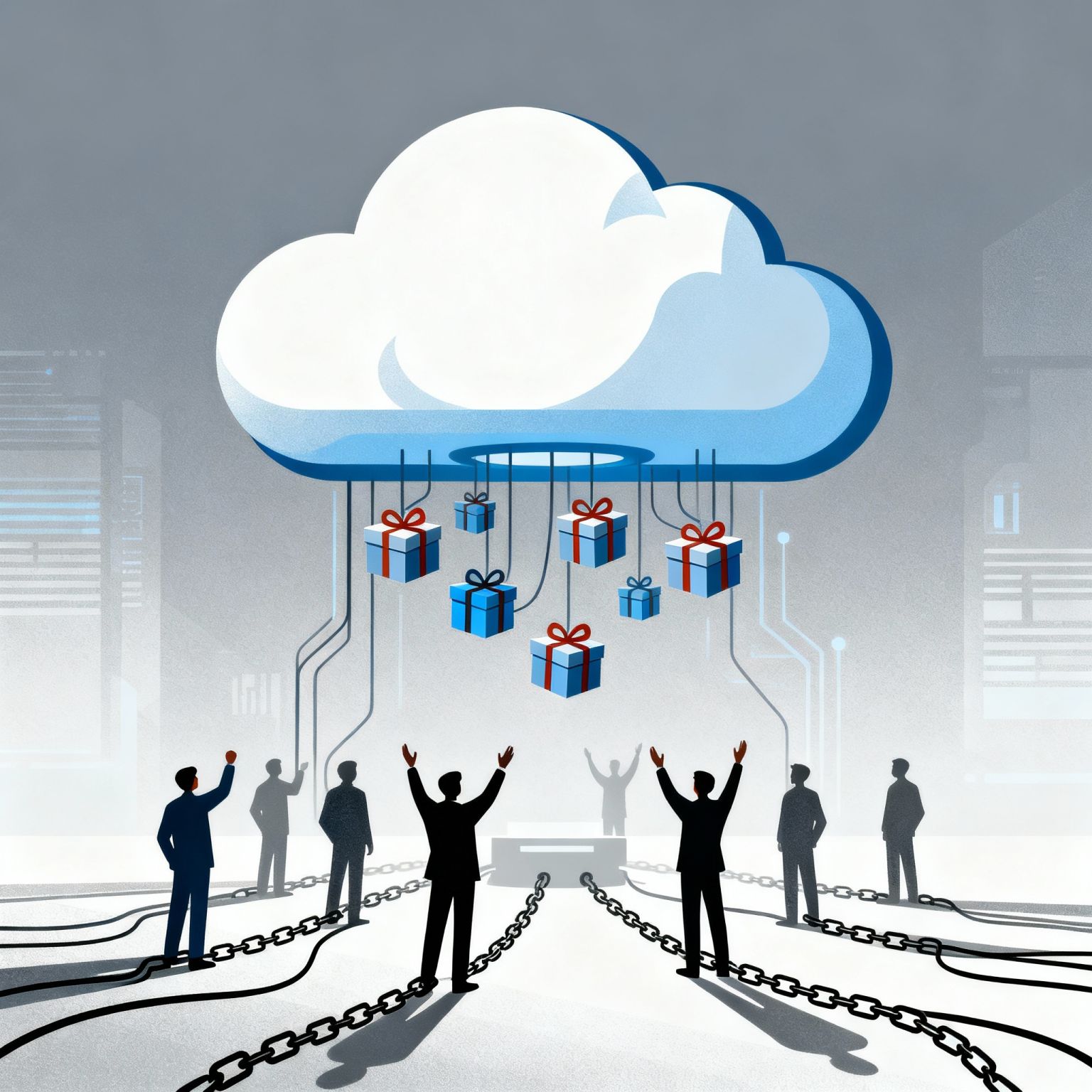
Technological dependency has crossed the threshold of awareness. When algorithms shape our opinions and the cloud stores our memory, IT governance becomes an existential issue for leaders.

AWS US-EAST-1, Azure Front Door, POST Luxembourg: cloud outages are multiplying. Analysis of multi-region, multi-cloud, and chaos engineering redundancy strategies to protect your critical systems.

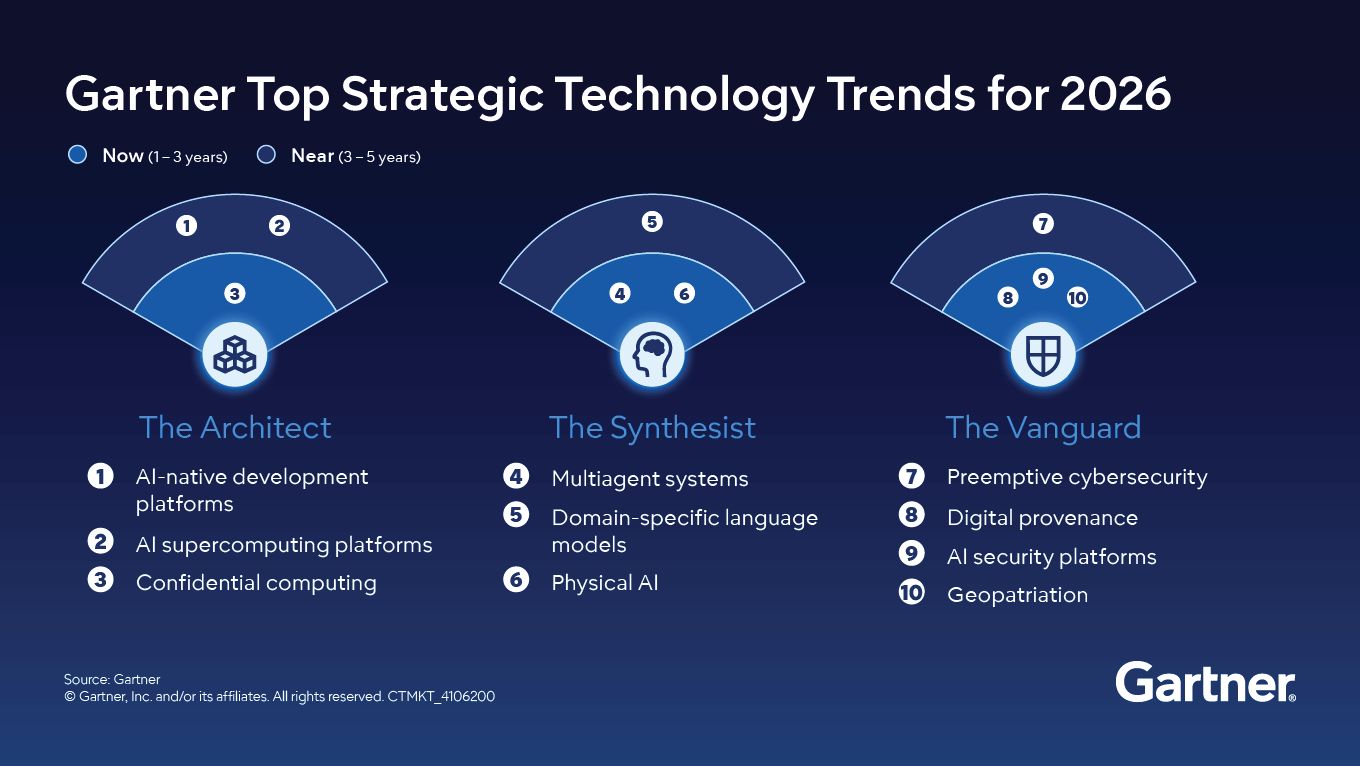
Gartner's 2026 technology trends are relevant on a global scale, but copy-pasting them in Luxembourg is a strategic mistake. A localized analysis for European CIOs.

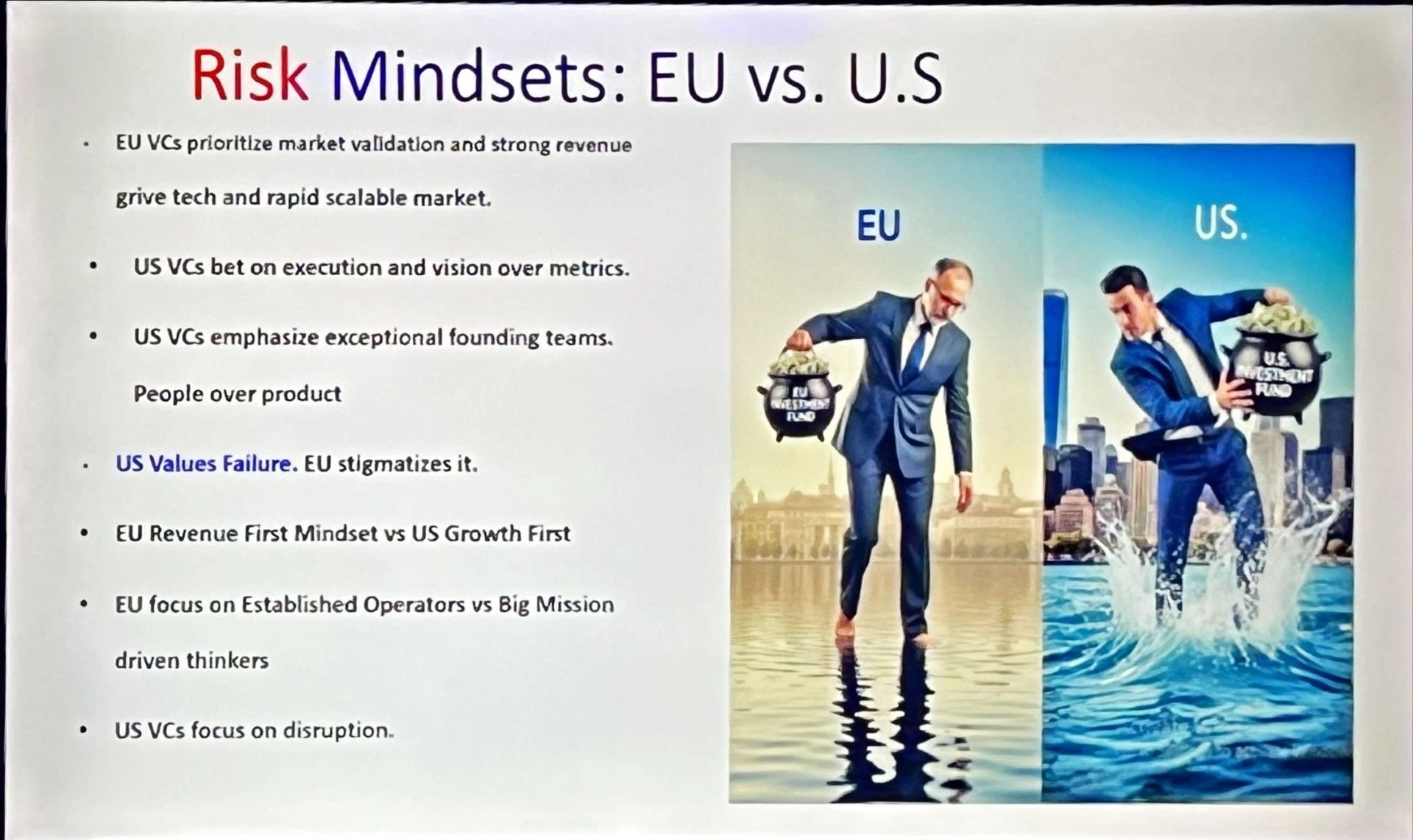
Reflections on the LU Venture Days at Luxexpo: Jillian Manus's masterclass reveals the chasm between the European and American approaches to funding innovation. Analysis of the gap and pathways to close it.

Big Tech companies are simultaneously 'too big to fail' and 'too big to challenge.' An analysis of the systemic risk of European dependence on Big Tech and how the regulatory architecture (DMA, DSA, AI Act) can become a competitive advantage for European businesses.

Forget silicon. The real risk to your IT projects is underground: rare earth elements. Over 90% of Dysprosium and Gallium come from China. Strategic supply chain risk analysis for European CIOs.

Compute, Storage, Network: $1.024 trillion of IT supply chain dissected. A complete analysis of hardware value chains, critical geopolitical concentrations, and strategic implications for European CIOs.
The 2025 Ig Nobel Prize in psychology reveals a fundamental bias in enterprise LLMs: flattery by design. Analysis of systemic risk and a governance guide for AIs that challenge instead of validate.
IT teams spend more time asking for permission than creating. A paradigm shift is needed: moving from permission culture to innovation by default, inspired by the military's Mission Command.